

Shaping the rumen microbiome to improve yields and reduce methane emissions
Improving animal production while reducing methane emissions is essential for farmers to adopt solutions that allow us to feed a growing population and address climate concerns.
Our mission is to help farmers earn more and feed more people at a lower environmental cost.
Meet our team
We are microbial ecologists, farmers, seasoned entrepreneurs and industry experts. We are also long-time friends and colleagues, motivated to contribute to the search for practical solutions to climate issues.
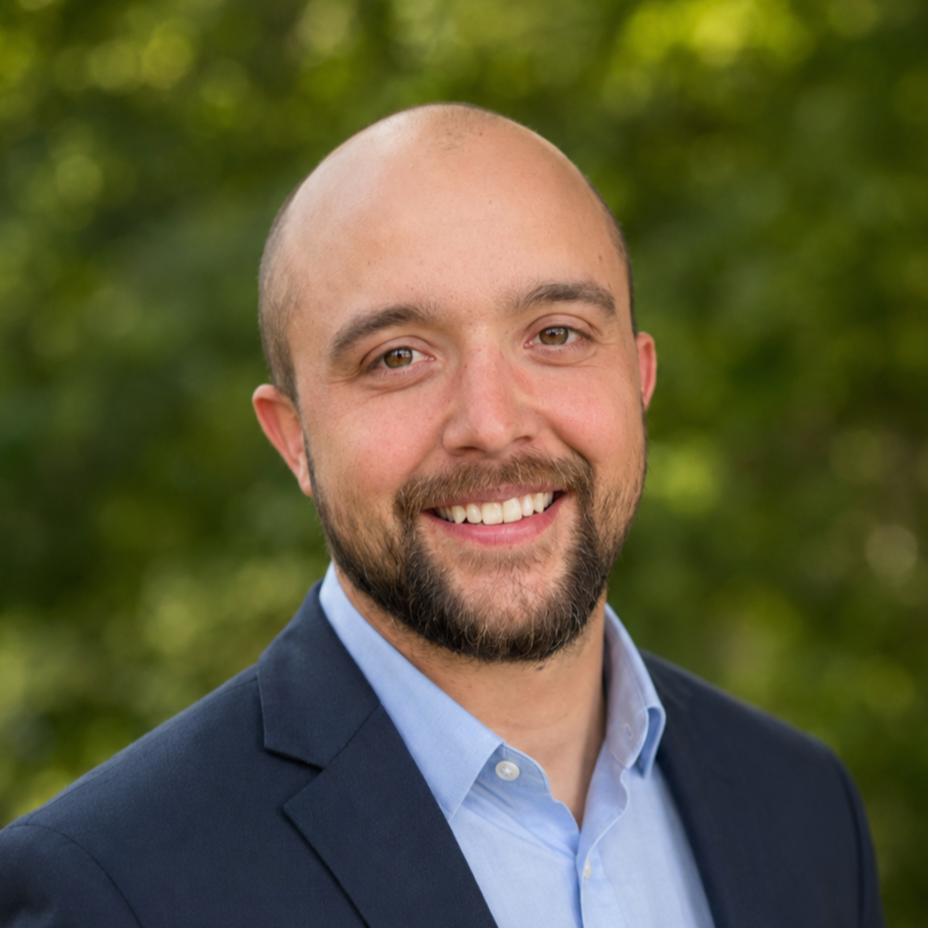
-
CEO
Kenny brings over a decade of experience across agriculture, global strategy, and feed additive markets. He previously served in senior commercial leadership roles at Cargill, where he led their feed additive business across North America and EMEA. His career has focused on advancing innovation throughout the agricultural value chain, with a particular emphasis on animal nutrition, producer profitability, and scalable solutions that improve efficiency and sustainability. Kenny began his journey in agriculture as a National FFA Vice President and holds a degree from Cornell University. He is passionate about supporting farmers and driving practical innovations that strengthen the global food system.

-
Co-founder and President
Mark is a recognized leader in the microbiome field, with over 50 peer-reviewed publications. Previously, Mark co-founded and served as Chief Executive Officer of Finch Therapeutics, a publicly-traded biotechnology company that pioneered the development of microbiome therapeutics. Prior to Finch, Mark co-founded OpenBiome, a universal stool bank and research institution. He currently serves on the board of directors of Freya Biosciences, a privately-held biotechnology company. Mark has a BA in ecology and evolutionary biology from Princeton University and a PhD in microbiology from the Massachusetts Institute of Technology. Mark believes that shaping the world’s smallest ecosystems can have profound impacts on a global scale.

-
Co-founder and CSO
Kevin trained in molecular microbiology at the University of Maryland and later as a microbial ecologist at Brigham and Women’s Hospital and Harvard Medical School. He has made a career in developing microbiome products first as an early employee at Finch Therapeutics and later as Director of Process Development at Novome Biotechnologies. Kevin is inspired by the power of small things to solve our world’s biggest problems, and is moooved to work on reducing methane emissions from ruminant microbiomes.
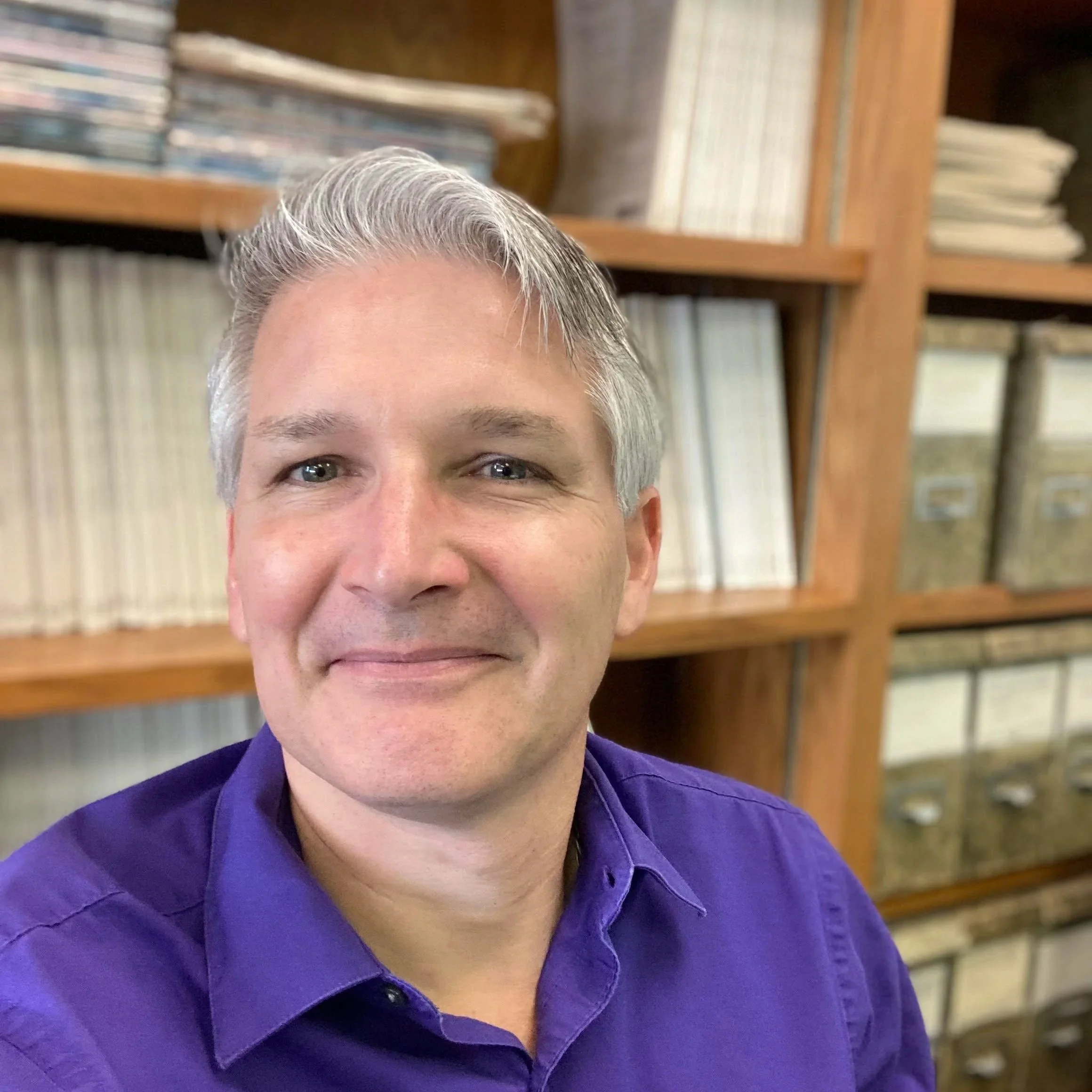
-
Senior Scientist
Stéphane brings more than 25 years of expertise in microbial physiology and bacterial metalloenzymes. After earning a PhD in biochemistry from INSA Lyon, France, Stéphane came to the University of Georgia where, as a Senior Research Scientist, his work has focused on the role of both nickel and molecular hydrogen in pathogenic bacteria. He has published 47 peer-reviewed publications. Throughout his years of research, Stéphane has been deeply appreciative of the impact that microorganisms have on their host. He is ready for the next challenge: harnessing the metabolic capability of the rumen microbiota to both reduce methanogenesis and improve milk production in cows.

-
Co-founder and COO
Carolyn is the former executive director and co-founder of OpenBiome, a universal stool bank and microbiome research institute. Through this work, she is proud to have served more than 70,000 patients across a network of 1300+ hospitals and clinics, and over a dozen clinical trials. Previously, Carolyn worked at the US Agency for International Development, working to test and support low-cost, high-impact interventions to improve global health and prosperity. She holds a BA and Master’s degree in public policy from Princeton University. Carolyn loves learning about what it takes for a great idea to meet its potential.
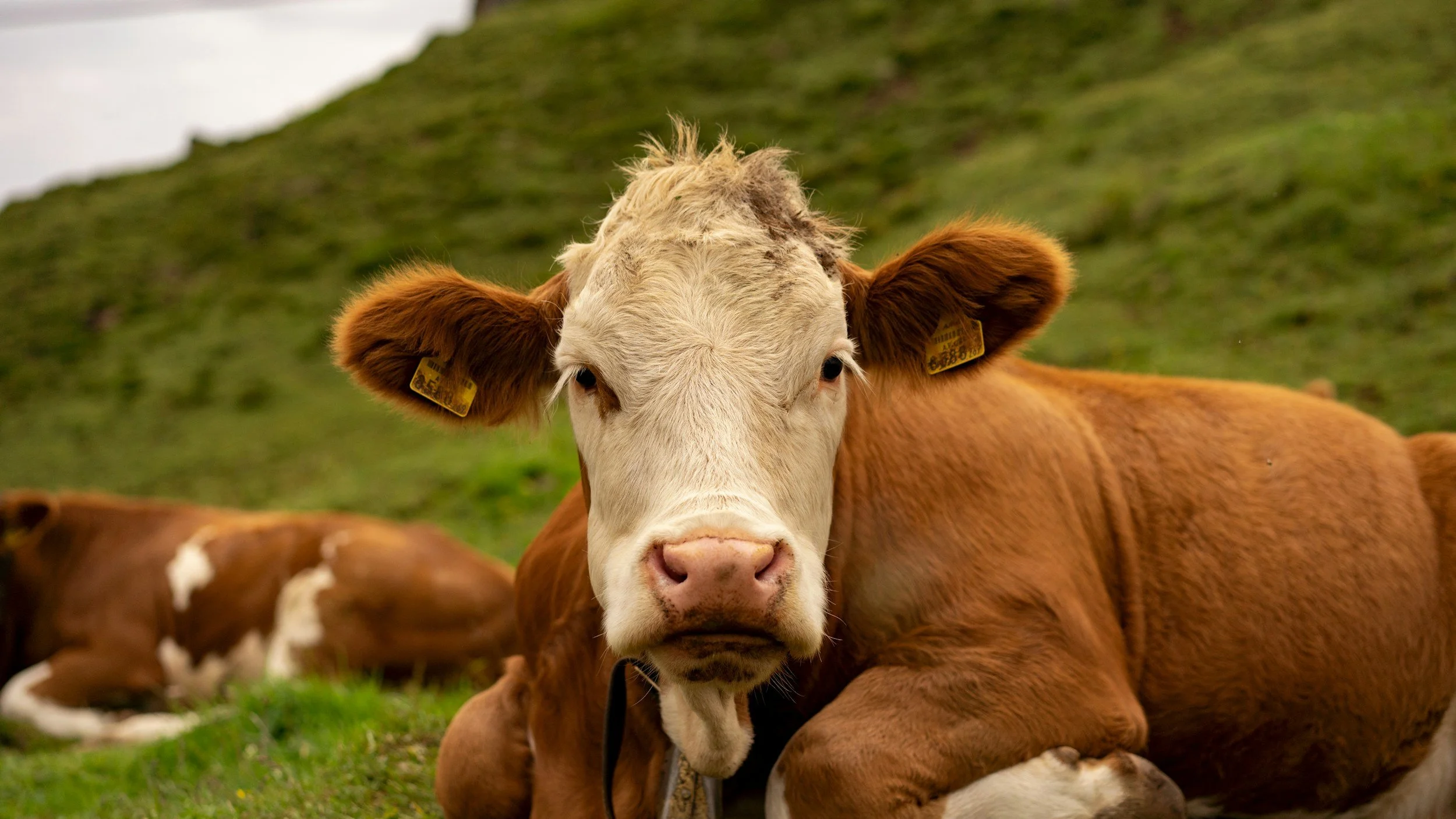
Methane production is an efficiency loss. Inhibiting it can improve yields per unit of feed, delivering better economics for producers while improving environmental sustainability.
Ruminant methane production depends on nickel, a trace mineral found in the animal’s food that is required by methane-producing microbes, but not by the animal.
Our feed ingredient selectively binds nickel, making it less available to those microbes and interrupting a key step in methane formation.
This targeted approach allows us to reduce methane production without affecting the animal or disrupting beneficial digestive processes.
Our approach
News


“Climate change threatens farmer livelihoods, rural communities, and the entire food system. Agriculture is also uniquely positioned to combat climate change [...] if armed with the right tools and resources.”
— Rob Larew, President, National Farmers Union
We hope to hear from you.
We are working with farmers, animal scientists, microbiologists, biochemists, and others engaged in the work of testing and refining ideas to improve animal productivity and reduce enteric methane emissions. We are eager to collaborate.